

Safety First

Solo Travel
Safety Guides

Practical, non-fearful safety information to help you travel confidently, make smart decisions, and handle anything the road throws at you.

Core Areas

Complete Safety Framework for Solo Travelers

Safety in solo travel isn't about being fearful — it's about being informed, prepared, and confident. Here's our comprehensive approach.

🛡

Personal Safety

Stay aware without being paranoid. Trust your instincts — they are your best early warning system.

  • Research neighborhood safety before booking accommodation
  • Share your daily itinerary with a trusted contact at home
  • Avoid displaying expensive equipment in high-risk areas
  • Use licensed taxis or reputable ride-hailing apps
  • Keep a small amount of emergency cash hidden separately
  • Learn basic phrases in the local language — including "help"
🏥

Health & Medical

Your health is your most important asset. Plan ahead and know what to do when things don't go as expected.

  • Purchase comprehensive travel health insurance before departing
  • Visit a travel health clinic 6–8 weeks before your trip
  • Carry a basic first aid kit with your essential medications
  • Research nearest hospitals and clinics at each destination
  • Know your blood type and any medical allergies in writing
  • Carry clean water or a reliable water purification method
📋

Documents & Digital

Losing your documents abroad is stressful but recoverable — if you've prepared properly.

  • Store encrypted digital copies of all documents in the cloud
  • Keep physical photocopies separate from originals
  • Note local embassy contact details for each country visited
  • Use a VPN on all public Wi-Fi networks
  • Enable two-factor authentication on all financial accounts
  • Register your travel with your home country's foreign ministry
🌐

Digital & Communication

Staying connected is a safety tool. Know how to reach help and keep your digital life secure on the road.

  • Get a local SIM card or international data plan on arrival
  • Download offline maps before going to remote areas
  • Have a charged portable power bank at all times
  • Set up an ICE (In Case of Emergency) contact on your phone
  • Know how to access emergency services in each country
  • Check in regularly with someone who knows your plans
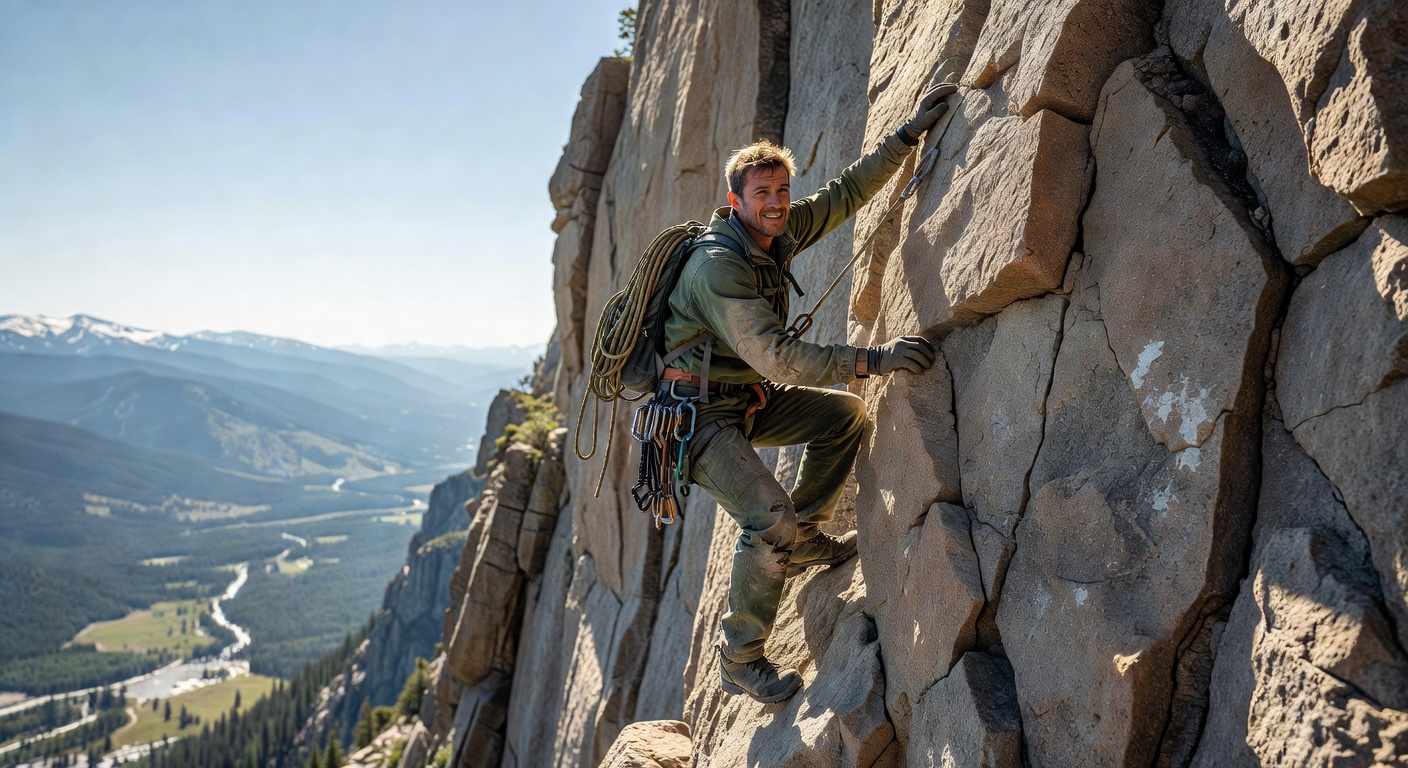
Solo climber on rock face
Solo sailor on sea
Solo stargazer in desert night
Emergency Preparedness

If Something Goes Wrong

Even the most experienced travelers encounter emergencies. The difference between a minor incident and a major crisis is almost always preparation. Here's what to do.

Always remember: your embassy or consulate is there to help citizens in genuine emergencies. Don't hesitate to contact them if you're in serious trouble.

Lost or Stolen Passport

Report to local police immediately, get a report number, then contact your embassy. Have digital copies ready to expedite replacement.

Medical Emergency

Call local emergency services (know the number before you arrive). Contact your travel insurance 24-hour hotline immediately. Don't assume hospitals require upfront payment if you have insurance.

Natural Disaster or Civil Unrest

Register with your embassy so they can contact you. Follow official guidance, avoid large crowds, and move to your pre-planned meeting point.

Quick Reference

Solo Safety: Do's and Don'ts

Always Do

  • Research your destination thoroughly before you go
  • Share your plans with someone you trust at home
  • Trust your gut — if something feels wrong, leave
  • Keep emergency cash hidden separately from your main wallet
  • Learn basic emergency phrases in the local language
  • Have a plan for getting home safely after a night out
  • Carry your travel insurance details and hotline number
  • Stay alert in crowded tourist areas (pickpocket hotspots)

Never Do

  • Advertise that you're traveling alone to strangers
  • Accept drinks from people you've just met
  • Share your accommodation address with casual acquaintances
  • Walk distracted with headphones in unfamiliar areas at night
  • Leave your passport as a deposit anywhere
  • Travel without any form of travel insurance
  • Ignore persistent uneasy feelings about a situation or person
  • Share real-time location updates publicly on social media

Important Reminder

The vast majority of solo travelers have overwhelmingly positive experiences. These safety guidelines are about being prepared, not frightened. Most destinations are safe, most people are kind, and solo travel remains one of the world's most rewarding experiences.